
About Melanoma

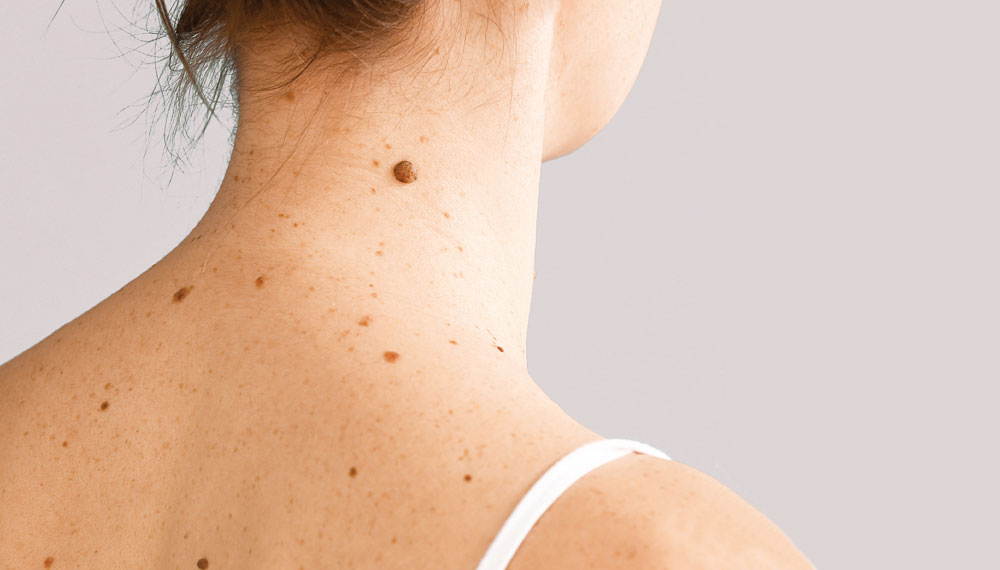
Melanoma is a malignant cancer that starts from the pigment cells (melanocytes) of the skin. These cells are the cause of freckles and moles on the skin and produce the brown colour of a suntan.

Melanoma can occur anywhere on the skin, even on the soles of the feet.  Melanocytes in the eye, nervous system and mucous membranes (eg lining of the mouth and nasal passages) can also become cancerous. These types of melanoma are rare.

Melanoma grows quickly. If it is not treated, it may spread to the lower layer of skin, where cancer cells can escape and be carried to other parts of the body in blood or lymph vessels.

In particular, it is of great importance to Australians for two main reasons:

  • Australia has the highest incidence of melanoma in the world

  • It is often identifiable at a stage when simple treatment can result in complete cure

Dr Neville Davis is a Queensland surgeon with vast experience in the treatment of melanoma. He wrote, "Malignant melanoma writes its message in the skin with its own ink and it is there for all of us to see. Some see but do not comprehend."


The Skin

The skin has many important jobs. It protects us from injury, cools us when we get hot and prevents us from becoming dehydrated.  The skin has two main layers: the epidermis and the dermis.

The epidermis is the top or outer layer. It contains two main types of cells: squamous cells and melanocytes. The melanocytes produce melanin, the substance that gives skin its colour. When skin is exposed to sunlight, the melanocytes produce more melanin and the skin becomes tanned.

The dermis is underneath the epidermis. It contains the roots of hairs, glands that make sweat and oil, blood and lymph vessels and nerves.


Melanocytes

Melanocytes (pigment cells) are found distributed in the skin:

  • Scattered as individual cells at the junction of the upper (epidermis) and lower (dermis) layers of the skin. These cells produce granules of pigment in response to sunlight (a suntan).

  • Aggregated together (in groups termed naevus cells) at various depths within the epidermis and dermis.

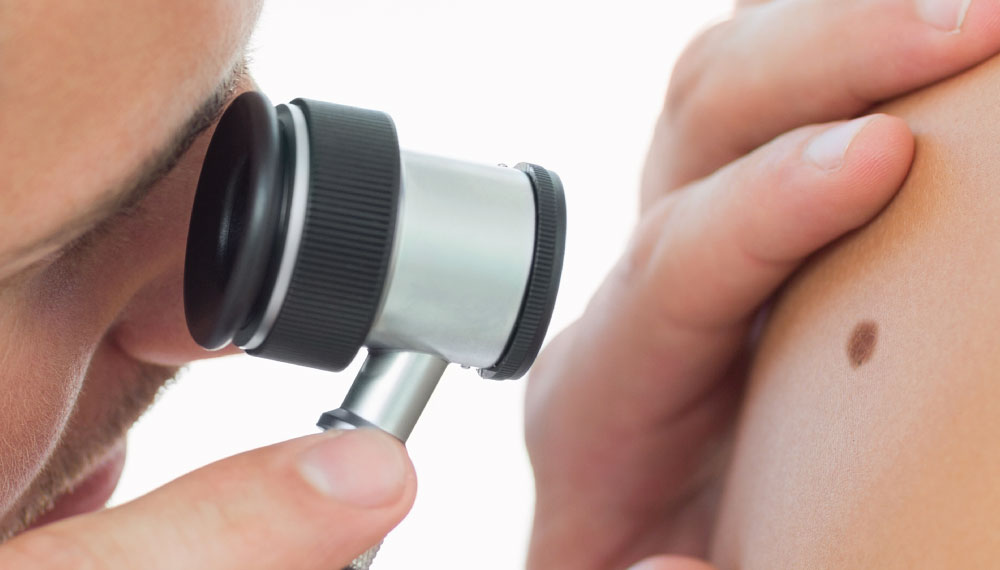
Characteristic patterns of aggregation can usually be recognised by expert clinicians as those forming moles: junctional, dermal, compound and dysplastic naevi. The word ‘mole’ is an old English description which originally referred to dark hairy patches on the skin (congenital naevi) which were likened to the soil burrowing animals. The term ‘mole’ has since been used more broadly and as such is not clinically used.

It is important to note that melanoma can develop in the scattered melanocytes in plain skin or may be associated with pre-existing pigmented naevi (moles).


Next Page